BUILD YOUR FUTURE WITH US
Geography at SRS
Understanding Our World, Shaping the Future
Preparing Students for Life
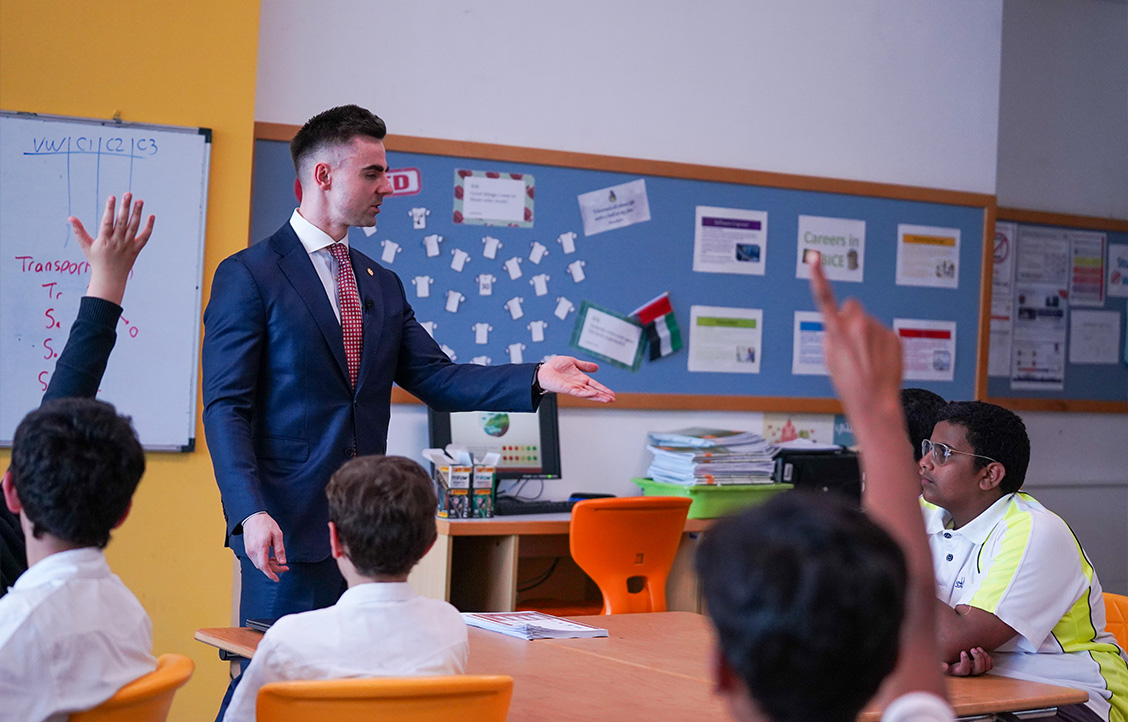
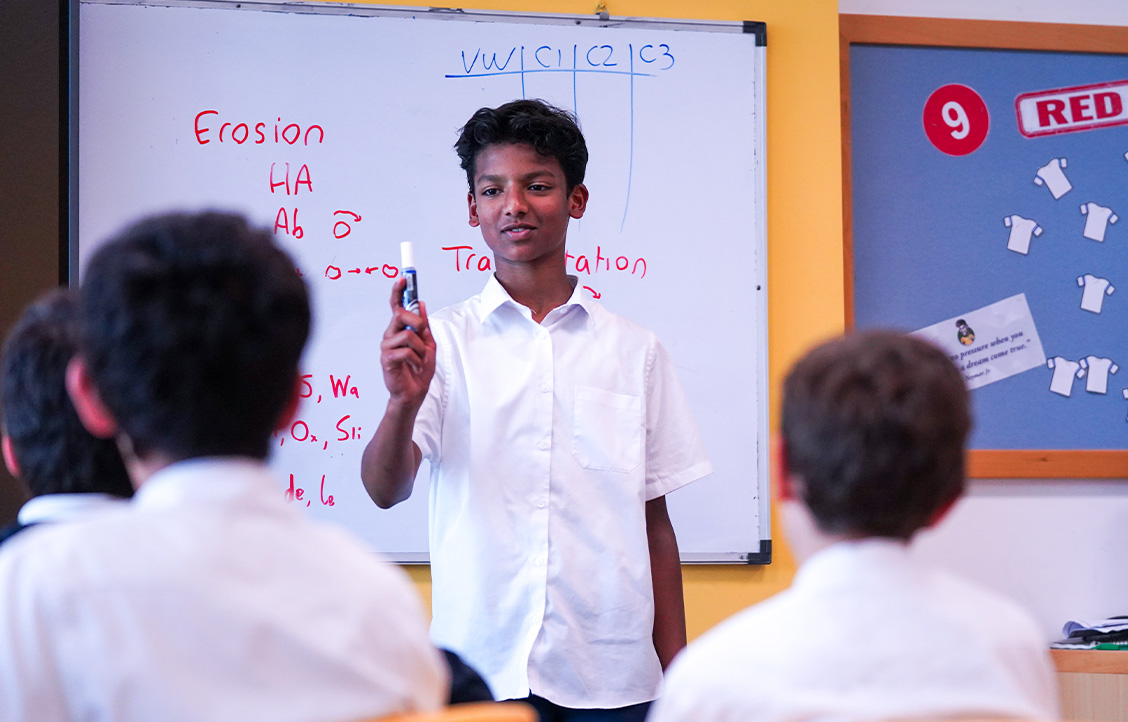
Geography at SRS goes beyond maps and landscapes—it nurtures young citizens who are curious, informed, and globally aware. By examining the connections between people and places, economies and ecosystems, students learn how the natural world affects human activity and how human choices shape the environment. The curriculum empowers learners to engage with current challenges and become active contributors to a better future.
Teacher Insight
"Science helps students see the world through questions, not assumptions. It empowers them to wonder, investigate, and solve. Skills that last far beyond the classroom."
Head of Geography Department
Impact
- Strong spatial awareness and map-reading skills
- The ability to analyse complex environmental and social systems
- A deep understanding of global interdependence
- Research, inquiry, and fieldwork skills
- A mindset rooted in empathy, responsibility, and curiosity
EYFS
Students explore familiar environments and use language to describe places. They learn to observe, compare, and appreciate how people and places differ.
Key Stage 1
Students learn about continents, oceans, landmarks, and compass directions. They develop basic map skills and use simple geographic vocabulary.
Key Stage 2
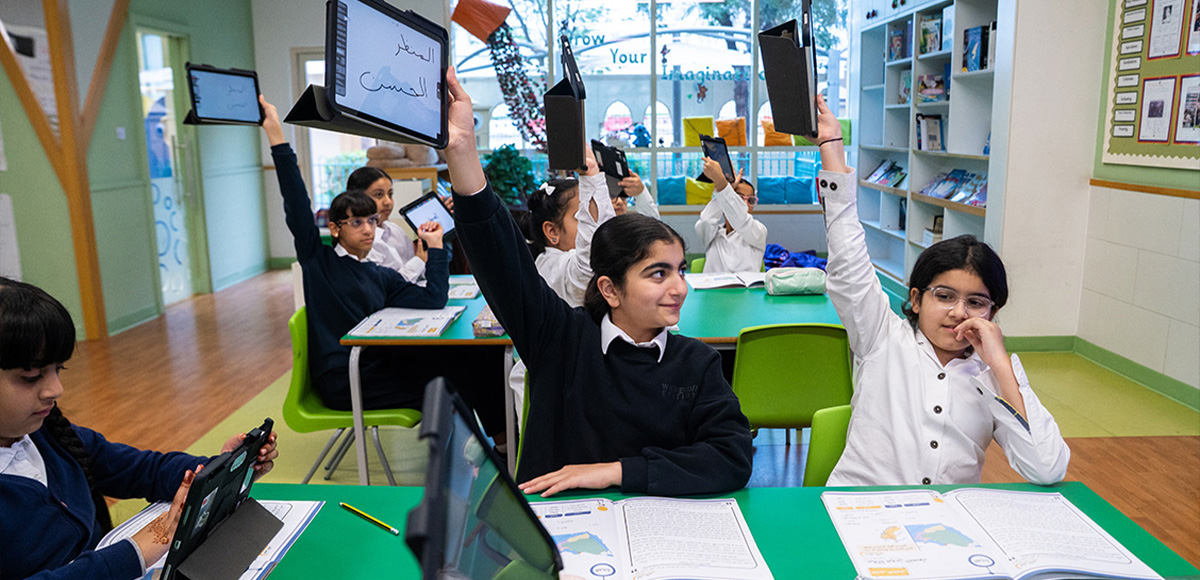
Students deepen their understanding of global and regional geography. They explore natural phenomena like the water cycle and weather, and study human geography topics like settlement and land use. Digital maps and fieldwork support inquiry.
Key Stages 3
Focus on developing analytical skills through case studies of countries such as India, China, and Madagascar. Students interpret topographic maps and use GIS tools to explore physical and human patterns.
Key Stages 4
Geography is offered as an elective subject. Students receive 3 weekly lessons in preparation for the Edexcel IGCSE. They study five major units, including physical, human, and environmental geography, and complete two fieldwork investigations focused on urban and coastal management.
Primary (EYFS – KS2)
Students are assessed through hands-on activities, low-stakes quizzes, and presentations. Progress is tracked regularly, helping students develop a strong foundation in geographic knowledge and transferable skills.
Secondary (KS3 – KS4)
Students engage in formative and summative assessments with clear feedback loops. Data is used to guide targeted support and ensure exam readiness. During Intensive Learning Week, students reflect on personal progress and close any knowledge gaps.