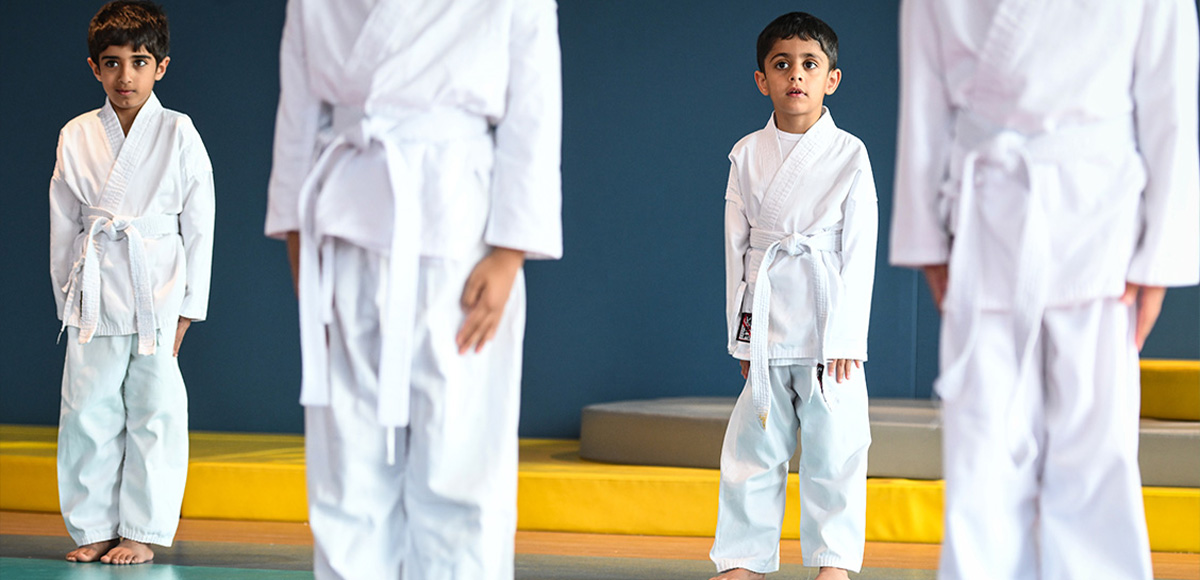
At the School of Research Science, Physical Education plays a vital role in student life and long-term wellbeing. Through a balanced and inclusive PE program, students develop the skills, confidence, and motivation needed to lead active, healthy lifestyles. Both in and beyond school. Our aim is not just physical development, but the holistic growth of each learner.
Preparing Students for Life
The PE curriculum at SRS promotes physical, social, and emotional wellbeing. From foundational motor skills to advanced leadership and tactical awareness, students explore how movement supports their body, mind, and community. Lessons go beyond the classroom to include after-school clubs, inter-school competitions, and national sporting festivals: instilling pride, teamwork, and a strong sense of belonging.
Teacher Insight
"Science helps students see the world through questions, not assumptions. It empowers them to wonder, investigate, and solve. Skills that last far beyond the classroom."
Impact
Students benefit from:
Structured development of physical literacy
Lifelong habits of health and fitness
Transferable skills like collaboration, leadership, and communication
Opportunities to compete, lead, and grow through sport
PE at SRS supports pathways into sports-related careers and fosters the personal qualities most sought after by universities and employers.
Beyond the Classroom
All students receive two hours of PE weekly (FS–KS4), plus optional lunchtime and after-school sports clubs.
Weekly swimming lessons are provided across primary year groups.
Students participate in internal leagues and external competitions through DASSA, representing SRS across Dubai in various sports.
EYFS
Students develop strength, balance, and coordination through structured PE lessons and outdoor play. Activities include cycling, climbing, and water confidence through swimming in Term 2.
Key Stage 1
Focus on basic movement skills, balance, agility, and cooperative play.
Key Stages 2
Expanded physical skill sets applied in sequences and team games, with emphasis on communication, teamwork, and performance improvement
Key Stages 3
Exposure to a wide range of sports. Students develop tactical awareness, leadership, and reflective analysis of performance.
Key Stage 4
Core PE (1 hour/week) focuses on lifelong fitness, leadership, and independence. GCSE PE students receive 3 hours/week covering practical skills and sports theory.
Assessment
Students are assessed across three domains:
Mind: Knowledge and understanding
Heart: Attitude and effort
Body: Physical ability and skill development
Progress is tracked through formative and summative assessments, knowledge quizzes (e.g., Socrative, Kahoot), and performance reviews using tools like Showbie. Individual progress informs planning, support, and future interventions.